Trading A Rising Wedge
What Are Rising Wedge Patterns And How To Trade Them
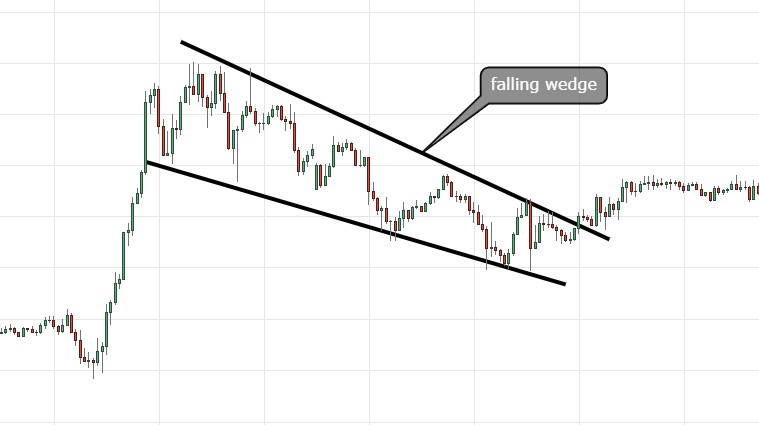
A risingwedge is a bearish stock pattern that begins wide at the bottom and contracts as trading range narrows and the prices move higher. this indicates slowing momentum and it usually precedes a reversal to the downside, meaning that traders can identify potential selling opportunities. Below you will see an image showing how to trade a rising and a falling wedge: wedge trading example. this is the 5-minute chart of jp morgan from sep 29-30, 2015. there are two wedges on the chart red rising wedge and blue falling wedge. we enter these wedges with a short and a long position respectively.
Rising wedge [chartschool] stockcharts. com.
Forex Daily Trading System Forex Course
See more videos for trading a rising wedge. One advantage of trading any breakout is that it should be clear when a potential move has been invalidated and wedge trading is no different. let’s take a look at a rising wedge as an example. say eur/usd breaks below the support line on its wedge, but then rallies and hits a new higher high. A rising wedge is a technical indicator, suggesting a reversal pattern frequently seen in bear markets. this pattern shows up in charts when the price moves upward with pivot highs and lows.
The Terror Trap Horror Movies And Reviews
Dec 31, 2015 · when trading a wedge, stop loss orders should be placed right above a rising wedge, or below a falling wedge. you do not want to make your stops too tightly as the price action will often violate one of the trend lines before rebounding swiftly. you will want to see a real break of significance to know you need to exit your position. Rising wedge patterns are bigger overall patterns that form a big bullish move to the upside. they form by connecting 2-3 points on both support and resistance levels. price action forms a big up channel. it becomes bearish once price fails the base of the wedge.

The rising wedge is a technical trading indicator that signals trend reversals or continuations, usually within bear markets. the pattern is also known as “ascending wedge” due to the way it appears on a chart. the ascending wedge pattern can form when the stock is either in an uptrend or a downtrend market. depending on the unfolding. The rising wedge is a bearish pattern that begins wide at the bottom and contracts as prices move higher and the trading range narrows. in contrast to symmetrical triangles, which have no definitive slope and no bullish or bearish bias, rising wedges definitely slope up and have a bearish bias.. while though this article will focus on the trading a rising wedge rising wedge as a reversal pattern, the pattern can. A rising wedge is a bearish pattern that signals that the market is going to continue downwards, or turn bearish, depending on the previous trend direction. however, some traders choose to regard the rising wedge as a bullish pattern, if the conditions are right.
The rising wedge pattern explained. the rising wedge pattern is a very common formation that appears in any market and timeframe. this chart pattern can be seen as a bearish reversal pattern after an uptrend or as a trend continuation pattern during a downtrend.. a rising wedge can be defined by a set of higher lows (support) and higher highs (resistance) that slope upwards and contract into a. The setup. a rising wedge is a technical indicator, suggesting a reversal pattern frequently seen in bear markets. trading a rising wedge this pattern shows up in charts when the price moves upward with pivot highs and.
Trading Strategy For Falling And Rising Wedge Pattern
A risingwedge trading a rising wedge is a bearish pattern that signals that the market is going to continue downwards or turn bearish, depending on the previous trend direction. however, some traders choose to regard the rising wedge as a bullish pattern, if the conditions are right. How to trade rising wedge patterns. how to trade rising wedge patterns: watch for a rising wedge pattern to form by connecting two to three peaks and valleys (higher highs and higher lows). connect the peaks and valleys via trend lines. once price breaks down out of the peak of the wedge take short entry.
The rising wedge can be one of the most difficult chart patterns to recognize and trade accurately. although it is a consolidation formation, the loss of upside momentum on each successive high offers the pattern its bearish bias.
Tales From The Trenches The Rising Wedge Breakdown
Broadening wedges are one of a series of chart patterns in trading: there are 6 broadening wedge patterns that we can separately identify on our charts and each provide a good risk and reward potential trade setup when carefully selected and used alongside other trading a rising wedge components to a successful trading strategy.. ascending broadening wedge; broadening wedge tops. Sep 13, 2019 · notice how the rising wedge is formed when the market begins making higher highs and higher lows. all of the highs must be in-line so that they can be connected by a trend line. the same goes for the lows. it cannot be considered a valid rising wedge if the highs and lows are not in-line. Jan 07, 2021 · a rising wedge is a technical indicator, suggesting a reversal pattern frequently seen in bear markets. this pattern shows up in charts when the price moves upward with pivot highs and lows.


A risingwedge is a bearish chart pattern that’s found in a downward trend, and the lines slope up. wedges can serve as either continuation or reversal patterns. rising wedge. a rising wedge is formed when price consolidates between upward sloping support and resistance lines. One question is when trading falling or rising wedge patten a head and shoulder is formed at break & when price again comes to retest that level,,,, do u think it is right to take two entries 1 is when it comes to retest wedge support and resistance 2 is when it again retest the neckline of h & s or form price action in neckline. What is a wedge pattern? falling & rising wedge. a wedge pattern is a triangular continuation pattern that forms in all assets such as currencies, commodities, and stocks. unlike other candlestick patterns, the wedge forms within a longer period of time, between hours and days. there are two types of wedge patterns, which include falling and rising wedge. Since the rising wedge is a bearish pattern, aggressive traders will typically wait for price to break below the lower support line before they will execute a short position. conservative traders, on the other hand, will generally wait for price to retest the lower support line from below before they will execute a short trade.
How to trade the rising wedge pattern warrior trading.
A rising wedge is a bearish stock pattern that begins wide at the bottom and contracts as trading range narrows and the prices move higher. this indicates slowing momentum and it usually precedes a reversal to the downside, meaning that traders can identify potential selling opportunities. Trading the rising wedge: trading a rising wedge method two. the second way to trade the rising wedge is to wait for the price to trade below the trend line (broken support), as in the first example. then, you should place a sell order on the retest of the trend line (broken support now becomes resistance).
The rising wedge is a technical trading indicator that signals trend reversals or continuations, usually within bear markets. the pattern is also known as “ascending wedge” due to the way it appears on a chart. the ascending wedge pattern can form when the stock is either in an uptrend or a downtrend market. When trading a wedge, stop loss orders should be placed right above a rising wedge, or below a falling wedge. you do not want to make your stops too tightly as the price action will often violate one of the trend lines before rebounding swiftly. you will want to see a real break of significance to know you need to exit your position. Commodities our guide explores the most traded commodities worldwide and how to start trading them. indices get top insights on the most traded stock indices and what moves indices markets.
Jan 14, 2021 · the rising wedge is a technical trading indicator that signals trend reversals or continuations, usually within bear markets. the pattern is also known as “ascending wedge” due to the way it appears on a chart. the ascending wedge pattern can form when the stock is either in an uptrend or a downtrend market. video 118 : head & shoulder tops & bottoms video 119 : rising & falling wedges 121 : bump & run a pretty neat strategy you know by now that


Komentar
Posting Komentar